

Orthodontics is a specialized branch of dentistry focused on diagnosing, preventing, and correcting misaligned teeth and bite irregularities. Proper alignment of teeth not only enhances aesthetics but also contributes to oral health, improving chewing, speaking, and overall dental function. Malocclusion, crowding, overbite, underbite, and crossbite can cause uneven tooth wear, jaw pain, and increased risk of cavities and gum disease.
Importance of Correcting Malocclusion
Malocclusion, or misalignment of teeth and jaws, can affect both function and appearance. Crowded teeth may be difficult to clean properly, increasing the risk of decay and gum disease, while bite issues can lead to jaw discomfort and uneven wear of tooth surfaces.
Early detection of malocclusion in children allows orthodontists to implement preventive strategies, such as space maintainers or guided tooth eruption, reducing the need for complex treatments later. In adults, correcting bite problems improves oral hygiene, restores functional efficiency, and enhances facial aesthetics. Addressing malocclusion proactively ensures long-term dental health and prevents secondary complications.
Traditional Braces
Traditional metal braces are a time-tested orthodontic solution, utilizing brackets and wires to gradually move teeth into proper alignment. Braces are highly effective for treating complex cases, including severe crowding, spacing issues, and bite abnormalities. Treatment typically involves regular adjustments, allowing precise control over tooth movement.
Modern braces are more comfortable and less noticeable than older versions, with smaller brackets and elastic options available in various colors. Despite being visible, braces deliver reliable results for patients of all ages, correcting alignment and bite problems while enhancing oral health and appearance.
Clear Aligners
Clear aligners are removable, nearly invisible orthodontic devices designed to gradually shift teeth into proper alignment. They are particularly popular among adults and teens seeking discreet treatment options without the visibility of traditional braces. Aligners are custom-fabricated using digital scans and 3D modeling, ensuring precise tooth movement.
Patients wear a series of aligners over several months, changing them periodically to progress toward the desired alignment. Clear aligners offer the advantage of easy cleaning, minimal lifestyle disruption, and comfortable treatment, making them an increasingly preferred choice for modern orthodontic care.
Bite Correction and Jaw Alignment
Bite correction addresses issues such as overbite, underbite, crossbite, and open bite, which can lead to functional difficulties, uneven tooth wear, and jaw pain. Proper alignment of the jaws ensures balanced force distribution, reducing strain on teeth and temporomandibular joints (TMJ).
Orthodontic treatment for bite correction may involve braces, aligners, elastics, or, in severe cases, surgical intervention to reposition jaws. Timely correction improves chewing efficiency, prevents long-term dental complications, and enhances facial harmony. Comprehensive treatment plans are tailored to individual needs, providing both functional and aesthetic benefits.
Retention and Long-Term Maintenance
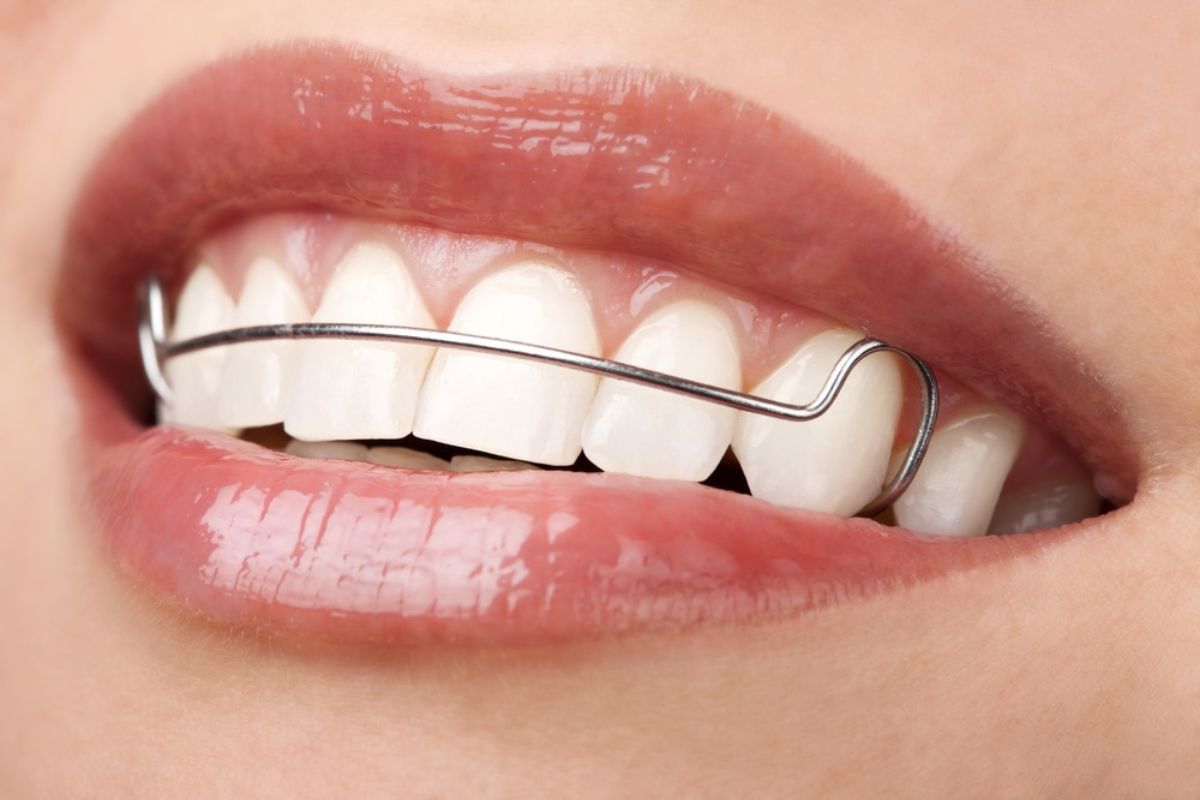
After active orthodontic treatment, retention is essential to maintain results and prevent teeth from shifting back to their original positions. Retainers, either fixed or removable, help stabilize the teeth and support proper bite alignment over time.
Patients are guided on retainer wear schedules, hygiene, and monitoring to ensure lasting results. Regular follow-ups allow dentists to detect any minor shifts and address them promptly. Retention safeguards the investment in orthodontic treatment, ensuring that patients enjoy the benefits of a straight, functional, and confident smile for years.
Technological Advancements in Orthodontics
Modern orthodontics incorporates digital imaging, 3D modeling, and computer-guided treatment planning to achieve precise, predictable results. These tools enhance diagnosis, simulate outcomes, and improve patient understanding of their treatment process.
In addition, laser-assisted techniques and accelerated orthodontic devices can shorten treatment time and improve comfort. Advanced technologies also facilitate remote monitoring and virtual consultations, making orthodontic care more accessible and convenient. By leveraging these innovations, orthodontists can deliver safer, faster, and highly effective treatments that meet both functional and cosmetic goals.
Pediatric vs. Adult Orthodontics
Orthodontic treatment differs between children and adults due to growth potential and jaw development. Children benefit from early intervention, which can guide proper jaw growth, correct habits like thumb sucking, and prevent severe malocclusion.
Adults may require comprehensive approaches to address fully developed jaws, including braces, aligners, or surgical assistance. Regardless of age, orthodontic care improves oral function, aesthetics, and long-term dental health. Personalized treatment plans ensure optimal results for every patient, supporting a healthy and attractive smile throughout life.
FAQs
At what age should children have their first orthodontic evaluation?
Children should ideally have their first evaluation by age 7 to identify potential bite or alignment issues early, allowing for timely preventive or corrective treatment.
Are braces or aligners more effective?
Both are effective, but the choice depends on the complexity of the case, patient preference, aesthetics, and lifestyle. Braces are often used for severe cases, while aligners are suitable for mild to moderate misalignments.
How long does orthodontic treatment typically take?
Treatment duration varies, typically ranging from 12 to 36 months depending on the severity of misalignment, patient age, and chosen treatment method.
Do orthodontic treatments affect oral hygiene?
Braces can make cleaning more challenging, but proper techniques and tools help maintain hygiene. Aligners are removable, allowing easier brushing and flossing.
Is bite correction necessary for all orthodontic patients?
Bite correction is essential for patients with functional or alignment issues to ensure proper chewing, reduce tooth wear, prevent jaw pain, and maintain overall oral health.
Conclusion
Orthodontics, including braces, aligners, and bite correction, plays a critical role in achieving both functional and aesthetic dental health. Proper alignment enhances chewing efficiency, prevents excessive wear, and reduces the risk of gum disease and jaw discomfort.
With modern techniques and personalized treatment plans, patients can achieve straight, well-aligned teeth and a confident smile at any age. By prioritizing orthodontic care and maintaining long-term follow-up, individuals can enjoy lifelong oral health, functional efficiency, and improved self-confidence.
