

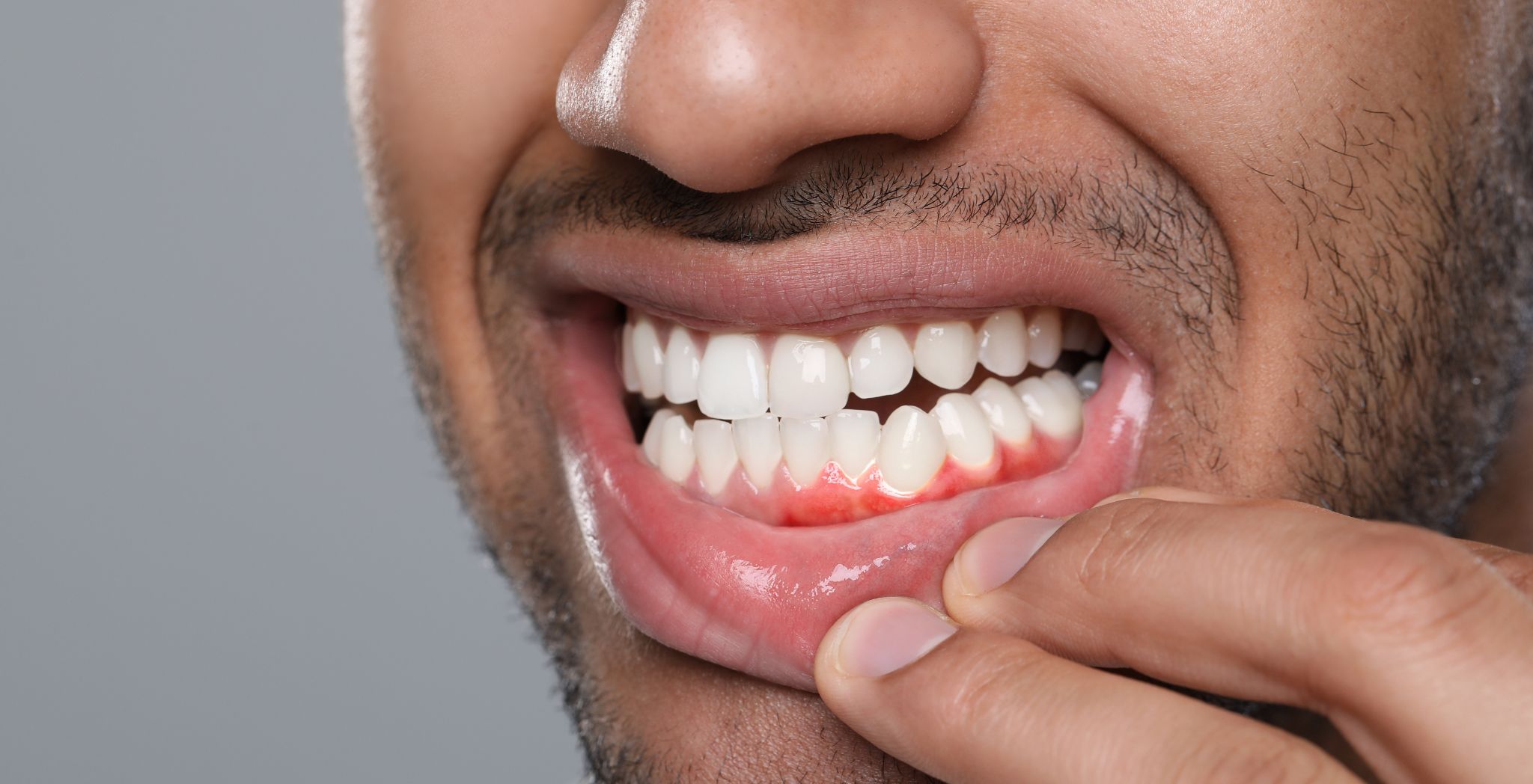
Gum disease, also known as periodontal disease, is one of the most prevalent dental conditions, affecting a significant portion of adults worldwide. It begins with bacterial plaque accumulation along the gum line, which can lead to inflammation, infection, and tissue damage if untreated. Healthy gums are essential not only for supporting teeth but also for maintaining overall oral health, as periodontal issues can contribute to tooth loss, bone deterioration, and even systemic health problems such as heart disease and diabetes.
Stages of Gum Disease
Gum disease progresses in stages, starting with gingivitis, which causes redness, swelling, and bleeding during brushing or flossing. Gingivitis is reversible with proper hygiene and professional care, making early detection crucial for preventing more serious complications.
If left untreated, gingivitis can advance to periodontitis, characterized by gum recession, pocket formation, bone loss, and eventually tooth mobility or loss. Chronic periodontitis can compromise overall oral function and aesthetics. Early intervention through cleanings, scaling, and patient education helps prevent progression, preserve supportive tissues, and maintain a healthy smile.
Causes and Risk Factors
The primary cause of gum disease is bacterial plaque, a sticky film that accumulates on teeth and along the gumline. Additional factors such as smoking, poor oral hygiene, hormonal changes, stress, and systemic conditions like diabetes increase susceptibility to periodontal problems. Genetics also play a role, as some individuals are more prone to gum disease despite proper care.
Understanding these risk factors allows patients to take preventive measures and seek timely treatment. Addressing lifestyle habits, maintaining consistent oral hygiene routines, and attending regular dental visits significantly reduce the likelihood of gum disease, supporting long-term oral and overall health.
Symptoms and Early Detection
Common symptoms of gum disease include red, swollen, or tender gums, bleeding during brushing or flossing, persistent bad breath, and changes in bite or tooth alignment. Pain may not always be present, which makes early detection challenging without regular dental exams.
Dentists use periodontal probing, digital imaging, and visual assessments to detect early signs of gum disease. Timely identification allows for less invasive treatments, minimizing damage to gum tissue and underlying bone. Patients who recognize early warning signs and act promptly can prevent the progression of disease and maintain strong, healthy gums.
Preventive Care and Oral Hygiene
Effective preventive care is the first line of defense against gum disease. Daily brushing, flossing, and rinsing with antimicrobial mouthwash remove plaque and food particles, reducing bacterial buildup along the gumline.
Professional cleanings every six months are essential to remove tartar and prevent plaque accumulation in areas difficult to reach at home. Dentists provide guidance on proper techniques, flossing tools, and oral hygiene products tailored to individual needs. Consistent preventive care not only maintains gum health but also contributes to overall oral wellness and confidence.
Non-Surgical Treatments for Periodontal Disease
Non-surgical treatments, such as scaling and root planing, remove plaque and tartar below the gumline and smooth the root surfaces to promote reattachment of gums. Antibiotic therapy may also be prescribed to control bacterial infection and inflammation.
These procedures are highly effective for early or moderate gum disease, halting progression and restoring oral health. Patients benefit from reduced inflammation, improved gum attachment, and prevention of further bone loss. Regular follow-ups ensure the success of treatment and reinforce proper hygiene practices.
Surgical Treatments for Advanced Cases
Advanced periodontal disease may require surgical interventions to restore gum and bone health. Procedures include flap surgery to reduce pocket depth, bone grafts to regenerate lost bone, and soft tissue grafts to cover exposed roots and enhance aesthetics.
Surgical treatments aim to halt disease progression, restore structural support, and preserve remaining teeth. Modern techniques, including minimally invasive and laser-assisted procedures, improve precision, reduce discomfort, and enhance recovery. These interventions, combined with ongoing maintenance, help patients maintain functional and healthy gums over the long term.
Lifestyle and Home Care for Gum Health
Maintaining healthy gums requires consistent daily care and lifestyle considerations. Brushing twice daily, flossing, using antimicrobial mouthwash, and avoiding tobacco products are essential for controlling plaque and preventing disease.
A balanced diet rich in vitamins and minerals supports gum tissue strength and immune response, while regular hydration helps wash away food debris and bacteria. Limiting sugar and acidic foods reduces the risk of inflammation and decay. By integrating these habits with professional care, patients can protect their gums and support lifelong oral health.
Technological Advances in Periodontal Care
Advances in dental technology have significantly improved the diagnosis and treatment of gum disease. Digital imaging, laser therapy, and periodontal monitoring tools allow dentists to identify problems earlier, perform less invasive treatments, and track progress over time.
Technology enhances patient education, enabling visual demonstrations of gum health and treatment outcomes. Early and precise interventions improve prognosis, reduce recovery times, and ensure that periodontal care is both effective and minimally disruptive, supporting patients in maintaining healthy gums and strong teeth.
FAQs
What causes gum disease?
Gum disease is primarily caused by plaque buildup along the gumline, with risk factors including poor oral hygiene, smoking, systemic conditions, hormonal changes, and genetic susceptibility.
Can gum disease be reversed?
Gingivitis, the early stage of gum disease, can be reversed with proper oral hygiene and professional cleaning. Advanced periodontitis requires specialized treatment to manage progression.
How often should I visit a dentist to prevent gum disease?
Routine dental visits every six months, combined with daily brushing and flossing, are recommended for effective prevention and early detection.
Are there non-surgical options for gum disease?
Yes, scaling, root planing, and antibiotic therapy can treat early to moderate gum disease without surgery, reducing inflammation and promoting gum reattachment.
What lifestyle changes help maintain healthy gums?
Daily brushing, flossing, antimicrobial rinses, avoiding tobacco, a nutrient-rich diet, and limiting sugary foods all support long-term gum health.
Conclusion
Gum disease is a serious oral health concern that can lead to tooth loss, bone deterioration, and systemic health complications if untreated. Understanding its causes, symptoms, and treatment options empowers patients to take proactive measures for maintaining healthy gums.
By combining consistent daily oral hygiene, preventive care, lifestyle management, and timely professional interventions, individuals can protect their gums, preserve teeth, and enjoy long-term oral health. Prioritizing periodontal care ensures both functional and aesthetic benefits for a confident, healthy smile.
