

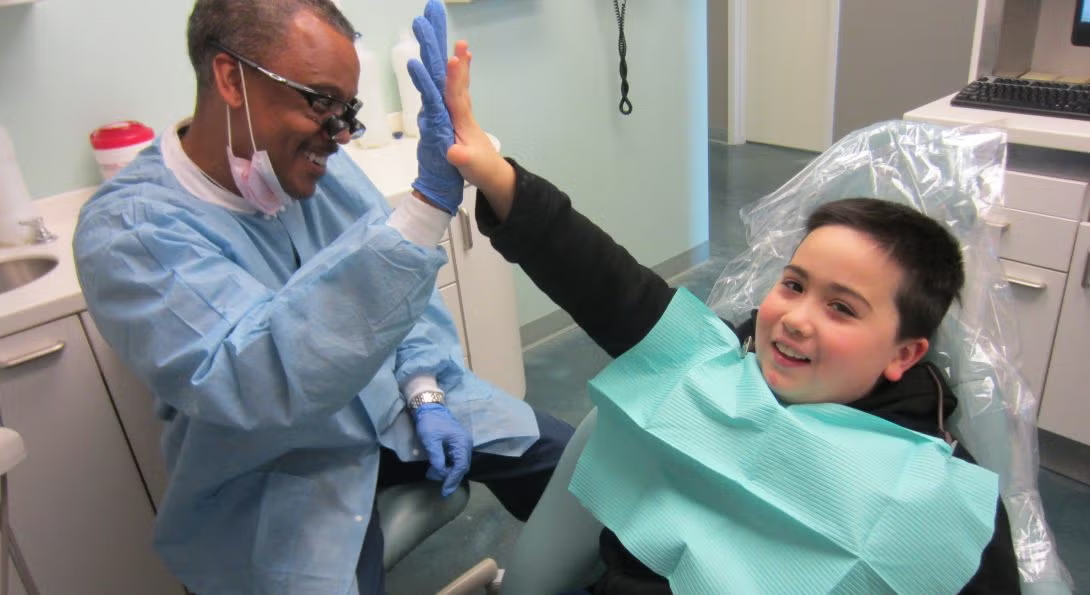
Everyday oral hygiene and preventive dental care are essential for maintaining healthy teeth, gums, and overall oral function. Proper oral hygiene prevents cavities, gum disease, bad breath, and other dental issues, while preventive care through routine checkups, cleanings, and early detection ensures long-term dental wellness. Establishing consistent habits from a young age strengthens enamel, preserves tooth structure, and reduces the need for complex restorative treatments.
Daily Brushing Techniques
Brushing twice a day with the correct technique is a cornerstone of oral hygiene. Proper brushing removes plaque and food particles from tooth surfaces, prevents decay, and stimulates gum tissue. Dentists recommend using a soft-bristled toothbrush, fluoride toothpaste, and gentle, circular motions to cover all surfaces, including hard-to-reach areas.
Replacing toothbrushes every three to four months and brushing for at least two minutes each session ensures maximum effectiveness. Regular brushing minimizes the buildup of harmful bacteria, reduces the risk of gum inflammation, and creates a clean environment that supports overall oral health.
Flossing and Interdental Cleaning
Flossing daily removes plaque and debris between teeth where brushes cannot reach, preventing cavities and gum disease. Proper technique involves gently sliding the floss between teeth and curving it around the tooth in a C-shape to clean the sides effectively.
Interdental brushes or water flossers are excellent alternatives for patients with tight spaces or braces. Consistent interdental cleaning complements brushing, reducing the risk of interproximal decay, gum inflammation, and bad breath while supporting healthy gum tissue and stronger overall oral structures.
Regular Dental Checkups and Professional Cleaning
Routine dental visits every six months allow dentists to identify early signs of decay, gum disease, or other oral health issues. Professional cleaning removes tartar and plaque buildup that cannot be eliminated at home, reducing the risk of cavities and periodontal disease.
During checkups, dentists provide guidance on brushing and flossing techniques, assess bite alignment, and evaluate oral hygiene effectiveness. Regular professional care ensures that small issues are addressed early, preventing the need for extensive restorative treatments and maintaining long-term dental health.
Fluoride Treatments and Preventive Applications
Fluoride strengthens tooth enamel, making it more resistant to decay caused by bacteria and acids. Preventive fluoride treatments are applied professionally to provide additional protection, particularly for children, teenagers, and patients at high risk of cavities.
Fluoride can also be supplemented through toothpaste, mouth rinses, and dietary sources. Regular application of fluoride treatments slows enamel erosion, reduces sensitivity, and protects teeth from harmful decay, serving as a critical tool in comprehensive preventive care.
Sealants for Additional Protection
Dental sealants are thin protective coatings applied to the chewing surfaces of molars and premolars, where grooves are prone to decay. Sealants act as a barrier against bacteria and food particles, particularly in children and teenagers.
Sealants are quick, painless, and effective, providing long-term protection that complements brushing and flossing. By preventing cavities in high-risk areas, sealants reduce the need for future fillings, maintain tooth integrity, and support overall oral health from a young age.
Healthy Lifestyle Choices for Oral Care
Nutrition, hydration, and lifestyle choices play a significant role in preventive dental care. Limiting sugary and acidic foods, consuming a diet rich in calcium and vitamins, and drinking plenty of water support enamel strength and gum health.
Avoiding tobacco and minimizing alcohol consumption further reduce risks of decay, gum disease, and oral cancer. Incorporating these lifestyle practices with daily hygiene routines creates a comprehensive approach to preventive care that protects teeth, gums, and overall systemic health.
Educating Children and Encouraging Lifelong Habits
Instilling proper oral hygiene habits in children is critical for developing lifelong dental health. Teaching brushing, flossing, and regular dental visits early fosters positive attitudes toward oral care and prevents early onset of decay or gum disease.
Interactive education, demonstrations, and parental supervision ensure children understand and maintain effective oral hygiene routines. Encouraging healthy habits from a young age promotes strong enamel, well-aligned teeth, and confidence in maintaining a clean, healthy smile into adulthood.
Technological Advances Supporting Preventive Dentistry
Digital imaging, intraoral cameras, and laser diagnostics enhance preventive dental care by allowing early detection of cavities, gum inflammation, and other oral issues before they become severe. Technology provides precision in monitoring oral health and guiding patient education.
Dentists can track progression over time, create personalized preventive strategies, and demonstrate the impact of proper hygiene visually. Integrating technology into preventive dentistry ensures patients are proactive, informed, and capable of maintaining long-term oral health.
FAQs
How often should I brush and floss my teeth?
Brushing twice daily and flossing once daily is recommended for effective removal of plaque and prevention of cavities and gum disease.
Are dental sealants only for children?
While commonly used in children, sealants can also benefit adults with deep grooves or high cavity risk to protect tooth surfaces.
What is the role of fluoride in preventive care?
Fluoride strengthens enamel, prevents decay, reduces sensitivity, and enhances the overall resistance of teeth to bacterial attacks.
Why are regular dental checkups important?
Routine checkups allow early detection of issues, professional cleaning, and guidance on oral hygiene practices, preventing extensive treatments later.
Can lifestyle choices affect oral health?
Yes, diet, hydration, smoking, and alcohol consumption significantly impact enamel strength, gum health, and overall dental well-being.
Conclusion
Everyday oral hygiene and preventive dental care are essential for maintaining strong, healthy teeth and gums. Brushing, flossing, fluoride use, sealants, professional checkups, and healthy lifestyle habits create a foundation for lifelong dental wellness.
By combining consistent daily routines with preventive interventions and early education, patients reduce the risk of cavities, gum disease, and other oral health issues. Prioritizing preventive care ensures a confident smile, functional teeth, and overall well-being for years to come.
