

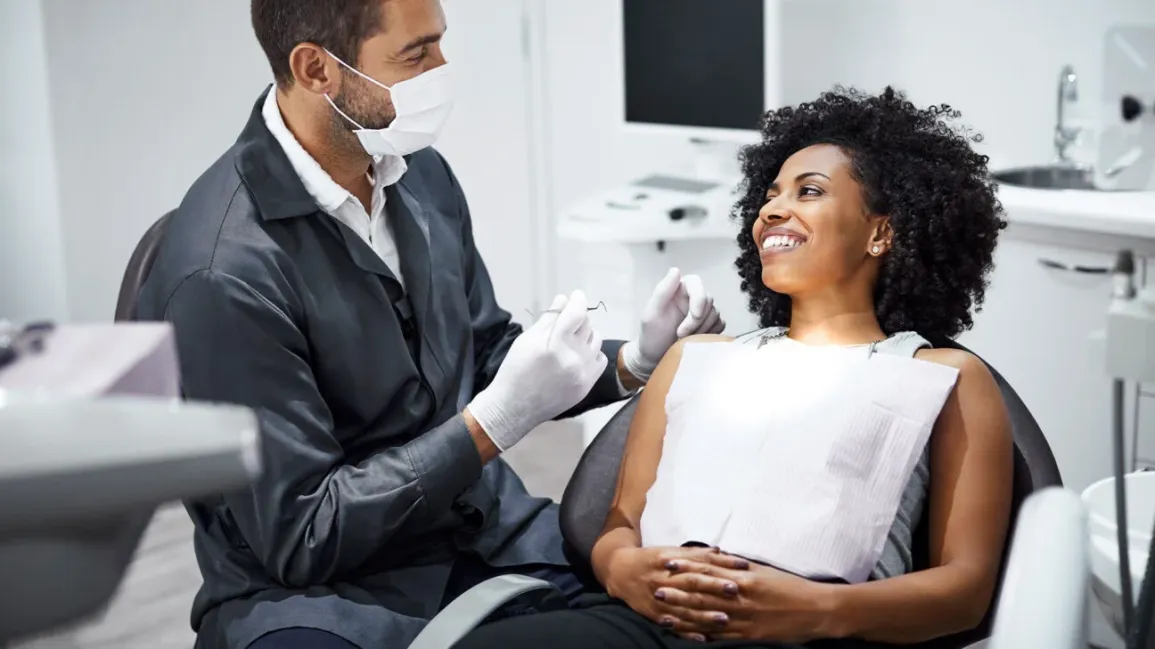
Dental anxiety affects millions of patients worldwide and is a major barrier to maintaining oral health. Fear of pain, previous negative experiences, or sensitivity to dental instruments can lead individuals to avoid routine check-ups and necessary treatments, resulting in worsened oral health over time. Modern dentistry recognizes the psychological and physiological impact of anxiety and has developed sedation dentistry techniques, pain management protocols, and patient-centered approaches to make dental visits comfortable and stress-free.
Understanding Dental Anxiety
Dental anxiety is an intense fear or nervousness related to dental procedures, often resulting in avoidance, delayed treatment, or heightened stress during visits. Anxiety can stem from past traumatic experiences, fear of pain, the sight of needles or drills, or a sense of loss of control in the dental chair.
This condition can significantly affect oral health because patients may skip preventive care, allowing cavities, gum disease, or other dental issues to progress. Understanding the causes and manifestations of dental anxiety helps dentists tailor their communication, environment, and treatment approach, creating a supportive experience that encourages patients to overcome their fears and maintain consistent oral care.
Behavioral and Psychological Strategies
Dentists employ behavioral and psychological techniques to help anxious patients feel more comfortable. Methods include explaining procedures in simple, reassuring language, allowing breaks during treatment, using distraction techniques, and building trust over multiple visits.
Cognitive-behavioral strategies may also be recommended for patients with severe anxiety, including relaxation exercises, guided imagery, and positive reinforcement. By addressing both the mental and emotional aspects of dental fear, these strategies reduce stress, improve patient cooperation, and create a more positive perception of dental care.
Nitrous Oxide (Laughing Gas) Sedation
Nitrous oxide, commonly known as laughing gas, is a mild form of sedation used to relax patients during dental procedures. Administered through a nasal mask, it allows patients to remain conscious, responsive, and in control while experiencing reduced anxiety and discomfort.
Nitrous oxide is safe, effective, and rapidly reversible, making it ideal for children and adults with mild to moderate anxiety. The effects wear off quickly after the procedure, allowing patients to resume normal activities immediately. Its ease of use, combined with a calming effect, ensures a comfortable and minimally stressful dental experience.
Oral and IV Sedation
For patients with moderate to severe dental anxiety or those undergoing longer procedures, oral or intravenous (IV) sedation may be recommended. Oral sedation involves taking prescribed medication prior to the appointment to induce relaxation, while IV sedation allows precise control over the level of sedation during treatment.
These sedation methods reduce awareness of the procedure, minimize discomfort, and promote a sense of calm and safety. Vital signs are closely monitored, ensuring patient safety and effective sedation. Sedation dentistry allows anxious patients to receive necessary treatments efficiently, preventing the progression of oral disease while providing a comfortable, stress-free experience.
Local Anesthesia and Pain Management
Local anesthesia remains a cornerstone of pain control in dentistry, numbing specific areas to prevent discomfort during procedures. Modern anesthetics act quickly and effectively, allowing dentists to perform restorations, extractions, and other treatments without causing pain.
Combined with sedation or behavioral techniques, local anesthesia ensures a comprehensive pain-free experience. Advanced delivery systems, such as computer-controlled anesthetic devices, further enhance precision and reduce discomfort during injections. Proper pain management not only improves patient comfort but also fosters trust and confidence in dental care.
Minimally Invasive Dentistry
Minimally invasive techniques reduce patient discomfort, anxiety, and recovery time by preserving healthy tissue and targeting only affected areas. Procedures such as laser dentistry, air abrasion, and conservative cavity removal allow dentists to perform treatments with less trauma and improved precision.
These methods minimize pain, bleeding, and post-operative sensitivity, making even complex treatments more tolerable for anxious patients. Minimally invasive approaches also enhance patient satisfaction, encouraging continued oral care and reducing avoidance due to fear or discomfort.
Creating a Patient-Centered Environment
A calm, supportive, and patient-centered environment is essential for reducing anxiety. Dental offices may incorporate soothing colors, relaxing music, comfortable seating, and child-friendly spaces to ease nervous patients.
Clear communication, reassurance, and the ability to signal for breaks empower patients and promote a sense of control. Dentists and staff trained in managing dental anxiety contribute significantly to positive experiences, ensuring that patients leave appointments relaxed, confident, and willing to return for future care.
Long-Term Benefits of Sedation Dentistry
Sedation dentistry not only enables patients to complete necessary procedures comfortably but also fosters long-term oral health by encouraging regular visits and preventive care. Patients who overcome anxiety are more likely to maintain hygiene routines, attend checkups, and address minor issues before they become serious.
By combining sedation with education and behavioral support, dentists can help patients build trust, reduce fear, and achieve lasting oral health improvements. Sedation dentistry is a powerful tool in bridging the gap between dental anxiety and optimal oral care.
FAQs
Is sedation dentistry safe?
Yes, sedation dentistry is safe when administered by trained professionals with proper monitoring and patient evaluation, including medical history and vital sign assessment.
Will I be unconscious during sedation?
It depends on the method. Nitrous oxide allows full consciousness, oral sedation causes drowsiness, and IV sedation can range from moderate to deep sedation. Patients are always monitored closely.
Does sedation dentistry work for children?
Yes, sedation techniques, particularly nitrous oxide, are widely used to help children feel calm and comfortable during dental procedures.
Are there side effects from sedation?
Most side effects are mild, including drowsiness, dry mouth, or slight nausea, and typically resolve quickly after treatment. Serious complications are rare with proper monitoring.
How can I prepare for a sedation dental appointment?
Follow dentist instructions, avoid eating or drinking as advised, arrange for transportation if required, and communicate any health concerns or medications to ensure safety and effectiveness.
Conclusion
Dental anxiety is a common but manageable barrier to oral health. Sedation dentistry, pain management, minimally invasive procedures, and patient-centered approaches allow patients to receive necessary treatments without fear or discomfort.
By addressing both psychological and physical aspects of dental care, patients can maintain regular check-ups, prevent disease progression, and achieve optimal oral health. Combining modern sedation techniques with compassionate care ensures a stress-free, comfortable dental experience for patients of all ages, supporting lifelong dental wellness.
