

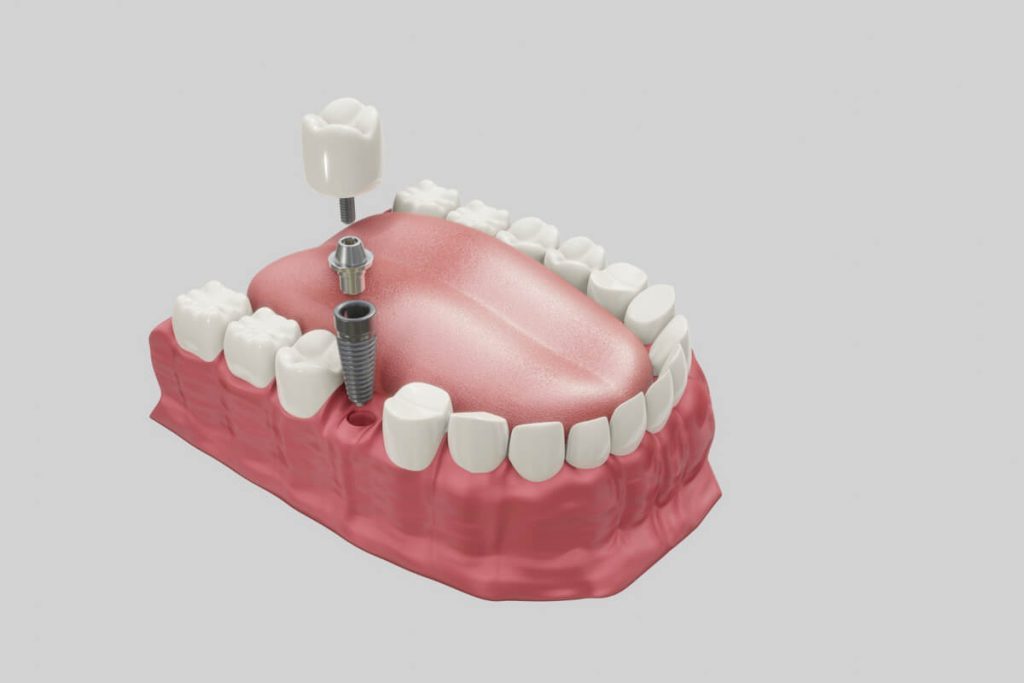
Dental implants and tooth replacement options have revolutionized restorative dentistry, providing long-term solutions for missing or severely damaged teeth. Tooth loss can occur due to decay, trauma, gum disease, or congenital absence, and it can affect chewing, speech, jawbone integrity, and self-esteem. Modern dentistry offers multiple replacement options, including dental implants, bridges, and dentures, each tailored to a patient’s oral health, anatomy, and lifestyle needs.
Dental Implants: The Gold Standard
Dental implants are titanium posts surgically placed into the jawbone to serve as artificial tooth roots. They provide unmatched stability and durability, allowing for crowns, bridges, or dentures to be securely attached. Implants integrate with the jawbone through a process called osseointegration, promoting bone preservation and preventing resorption that typically occurs with missing teeth.
Implants restore chewing efficiency, speech clarity, and facial structure while offering natural aesthetics. Advanced imaging, digital planning, and surgical guides ensure precision placement, minimizing complications and optimizing outcomes. With proper oral hygiene and regular follow-up, dental implants can last decades, making them a long-term investment in both function and appearance.
Single-Tooth Replacement Options
For patients missing a single tooth, dental implants or traditional bridges are common solutions. Implants replace the tooth without affecting adjacent teeth, preserving overall oral structure, whereas bridges rely on neighboring teeth for support.
Choosing the appropriate option depends on oral health, bone density, and patient preference. Implants provide superior longevity and prevent bone loss, while bridges offer a faster, non-surgical alternative. Both restore chewing ability, improve aesthetics, and maintain alignment of surrounding teeth, ensuring balanced oral function and a natural smile.
Multiple Tooth Replacement
Patients missing several teeth can benefit from implant-supported bridges or partial dentures. Implant-supported options offer stability, reduce bone loss, and restore near-natural function, while removable partial dentures provide a cost-effective solution for temporary or long-term use.
Treatment planning involves assessing jawbone quality, spacing, and bite alignment. Implant-supported prosthetics prevent shifting of adjacent teeth, maintain jaw integrity, and allow for better chewing efficiency. Properly fitted dentures restore aesthetics and function, improving speech, confidence, and overall quality of life.
Full-Arch Restoration
Full-arch tooth replacement addresses complete upper or lower tooth loss. Options include implant-supported overdentures, traditional dentures, or hybrid prostheses, depending on the patient’s needs and jawbone condition. Implant-supported full-arch restorations offer exceptional stability and comfort, eliminating the slipping or irritation sometimes associated with traditional dentures.
Advanced planning ensures precise alignment and optimal bite function. These solutions restore facial structure, enhance chewing efficiency, and provide natural aesthetics, significantly improving patient confidence and oral health.
Bone Grafting and Pre-Implant Procedures
Adequate jawbone volume and density are essential for successful implant placement. Bone grafting may be necessary for patients with bone loss due to tooth extraction, periodontal disease, or trauma.
Bone grafts rebuild the jawbone to provide a stable foundation for implants, ensuring long-term durability and function. Procedures can involve autografts, allografts, or synthetic materials, depending on patient needs. With proper healing, patients can receive implants that integrate effectively, restoring both oral health and smile aesthetics.
Temporary Solutions During Healing
While waiting for implants to integrate with the jawbone, temporary restorations such as provisional crowns or removable dentures may be used. These solutions maintain aesthetics, protect adjacent teeth, and allow patients to eat and speak comfortably during the healing period.
Temporary restorations are customized to blend with natural teeth and preserve gum contours. They provide patients with confidence and functionality while ensuring the site remains protected, paving the way for successful final implant placement.
Care and Maintenance of Dental Implants
Dental implants require diligent care, similar to natural teeth, including daily brushing, flossing, and regular dental checkups. Avoiding habits such as smoking or excessive force on implants prolongs their lifespan and reduces complications.
Professional cleanings and examinations ensure the integrity of implants, surrounding gums, and bone. With proper maintenance, dental implants offer a lifetime solution, restoring oral function, aesthetics, and self-esteem, making them a preferred choice for many patients seeking permanent tooth replacement.
FAQs
What are the advantages of dental implants over bridges and dentures?
Implants provide long-term stability, preserve jawbone structure, restore chewing efficiency, and function like natural teeth, while bridges and dentures may require replacement or adjustment over time.
Is the implant procedure painful?
Implant surgery is performed under local anesthesia or sedation, minimizing discomfort. Post-procedure soreness is generally manageable with medication and proper care.
How long do dental implants last?
With proper oral hygiene and regular dental visits, implants can last 20 years or longer, often serving as a permanent tooth replacement solution.
Can anyone get dental implants?
Most healthy adults are candidates, but sufficient jawbone volume and good oral health are necessary. Bone grafting or other preparatory procedures may be required in certain cases.
What maintenance is required for implants?
Daily brushing, flossing, avoiding damaging habits, and routine dental checkups ensure the longevity and health of dental implants.
Conclusion
Dental implants and tooth replacement options provide patients with functional, aesthetic, and long-lasting solutions for missing teeth. Proper planning, personalized treatment, and expert care restore chewing efficiency, speech, and facial structure while enhancing self-confidence.
Modern dentistry ensures that patients can choose from multiple replacement options, including single-tooth implants, bridges, full-arch restorations, and removable dentures, depending on their needs. By maintaining implants with proper hygiene and regular dental visits, individuals can enjoy a healthy, fully functional smile for many years to come.
