

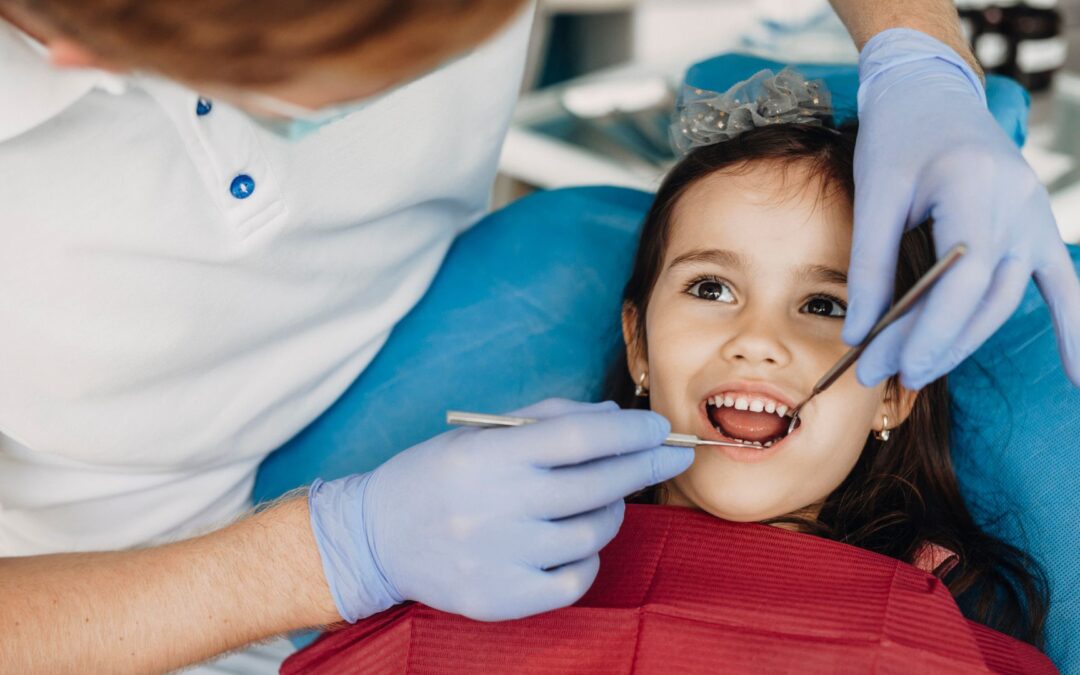
Pediatric dental health is a critical foundation for a lifetime of strong teeth, healthy gums, and confident smiles. Children’s oral health requires special attention because primary teeth not only aid in chewing and speech development but also guide the proper alignment of permanent teeth. Early childhood habits, nutrition, and preventive care significantly influence oral development and reduce the risk of cavities, gum disease, and other complications later in life.
Importance of Early Dental Visits
Early dental visits, ideally by the age of one, are essential to monitor oral development, detect issues, and provide guidance on hygiene and nutrition. Initial visits allow dentists to evaluate bite alignment, tooth eruption patterns, and the health of gums, ensuring that any concerns are addressed promptly.
These early appointments also familiarize children with the dental environment, reducing fear and anxiety. Pediatric dentists use gentle techniques and educational tools to teach children proper brushing and flossing habits. Establishing this routine early prevents cavities, encourages positive dental behaviors, and ensures that children grow up with strong, healthy teeth.
Preventive Care and Routine Checkups
Preventive care for children includes regular checkups every six months, professional cleanings, fluoride treatments, and dental sealants to protect teeth from decay. Fluoride strengthens enamel, while sealants provide a protective barrier on molars and premolars, reducing the risk of cavities in deep grooves.
Routine visits also allow early detection of issues such as misaligned teeth, bite problems, and enamel defects. Preventive care helps children maintain oral hygiene, avoids complex treatments, and encourages lifelong habits. Through these measures, pediatric dentists support the long-term structural integrity of teeth while instilling a sense of responsibility for oral health.
Managing Cavities and Tooth Decay
Tooth decay is one of the most common childhood dental problems, often caused by sugary snacks, poor brushing, or prolonged bottle-feeding with milk or juice. Cavities can lead to pain, infection, difficulty chewing, and may affect speech development. Treatment for pediatric cavities ranges from fillings to more advanced procedures if decay is extensive.
Materials used are safe for children and often designed to preserve tooth structure while preventing further decay. Early intervention not only alleviates discomfort but also prevents complications that could affect permanent teeth, helping children maintain healthy smiles and proper oral development.
Orthodontic Assessment and Early Intervention
Orthodontic evaluation is important in childhood to identify potential alignment issues, overcrowding, or bite problems. Early assessment allows dentists and orthodontists to plan treatments that guide proper jaw and tooth development.
Preventive orthodontic measures, such as space maintainers or early braces, can correct minor issues before they worsen, reducing the need for extensive interventions in adolescence. Proper early intervention ensures functional bite alignment, improves aesthetics, and promotes overall oral health, setting the stage for a lifelong healthy smile.
Gum Health in Children
Healthy gums are essential for supporting developing teeth. Children may experience gingivitis or mild inflammation due to plaque accumulation or poor brushing. Untreated gum issues can progress to more serious periodontal problems later in life.
Pediatric dentists emphasize proper brushing, flossing, and routine dental checkups to maintain healthy gums. In cases where inflammation is present, professional cleanings and guidance on proper hygiene techniques help prevent progression. Maintaining gum health ensures strong support for primary and permanent teeth and contributes to overall oral health.
Diet and Lifestyle for Oral Health
Nutrition and lifestyle habits have a significant impact on children’s dental health. Limiting sugary snacks and beverages, promoting water consumption, and ensuring a diet rich in calcium, vitamins, and protein strengthen teeth and gums.
Encouraging healthy habits such as avoiding prolonged bottle use, reducing snacking between meals, and incorporating crunchy fruits and vegetables helps naturally clean teeth and stimulate gum tissue. Combining proper nutrition with consistent oral hygiene reduces the risk of decay, supports proper jaw growth, and fosters healthy dental habits that last into adulthood.
Addressing Dental Anxiety in Children
Many children experience dental anxiety, which can hinder their willingness to visit a dentist or maintain good oral hygiene. Pediatric dentists use child-friendly communication, gentle techniques, and positive reinforcement to build trust and reduce fear.
Introducing children gradually to dental instruments, explaining procedures in simple language, and creating a welcoming environment promotes comfort. Managing anxiety early encourages regular dental visits, ensures timely treatment, and establishes a positive attitude toward oral care, helping children feel confident about their dental health throughout life.
Technological Advances in Pediatric Dentistry
Technology has enhanced pediatric dentistry through tools like digital imaging, laser treatment, and behavior-friendly diagnostic devices. Digital X-rays reduce radiation exposure, while lasers provide minimally invasive treatment options for cavities or soft tissue procedures.
These advancements improve accuracy, reduce discomfort, and allow children to undergo procedures with less anxiety. Technology also aids in educating both children and parents, making oral care routines more effective. By incorporating these innovations, pediatric dentists can offer efficient, safe, and child-centered care that supports healthy development.
FAQs
When should a child have their first dental visit?
A child should ideally visit the dentist by the age of one or within six months of their first tooth eruption to establish preventive care and monitor oral development.
How can I prevent cavities in my child?
Encourage daily brushing and flossing, limit sugary foods and drinks, provide a balanced diet, and schedule regular dental checkups and preventive treatments like fluoride and sealants.
What should I do if my child has a toothache?
Rinse their mouth with warm water, check for food lodged between teeth, and contact a pediatric dentist promptly for evaluation and treatment.
Are orthodontic evaluations necessary for young children?
Yes, early orthodontic assessment helps identify bite and alignment issues, allowing timely interventions that reduce the need for complex treatments later.
How can I help my child overcome dental anxiety?
Create positive associations with dental visits, use child-friendly language, visit the dental office beforehand, and choose a pediatric dentist experienced in managing anxious patients.
Conclusion
Pediatric dental health is vital for establishing strong, healthy teeth and positive oral care habits from an early age. Preventive measures, early interventions, nutrition, and proper hygiene lay the groundwork for lifelong oral wellness.
By combining routine dental visits, modern technology, and child-centered care, parents can help their children maintain functional, attractive, and healthy smiles. Fostering positive dental experiences and habits ensures children grow up with confidence, reduced risk of oral disease, and the foundation for a lifetime of strong teeth and gums.
