

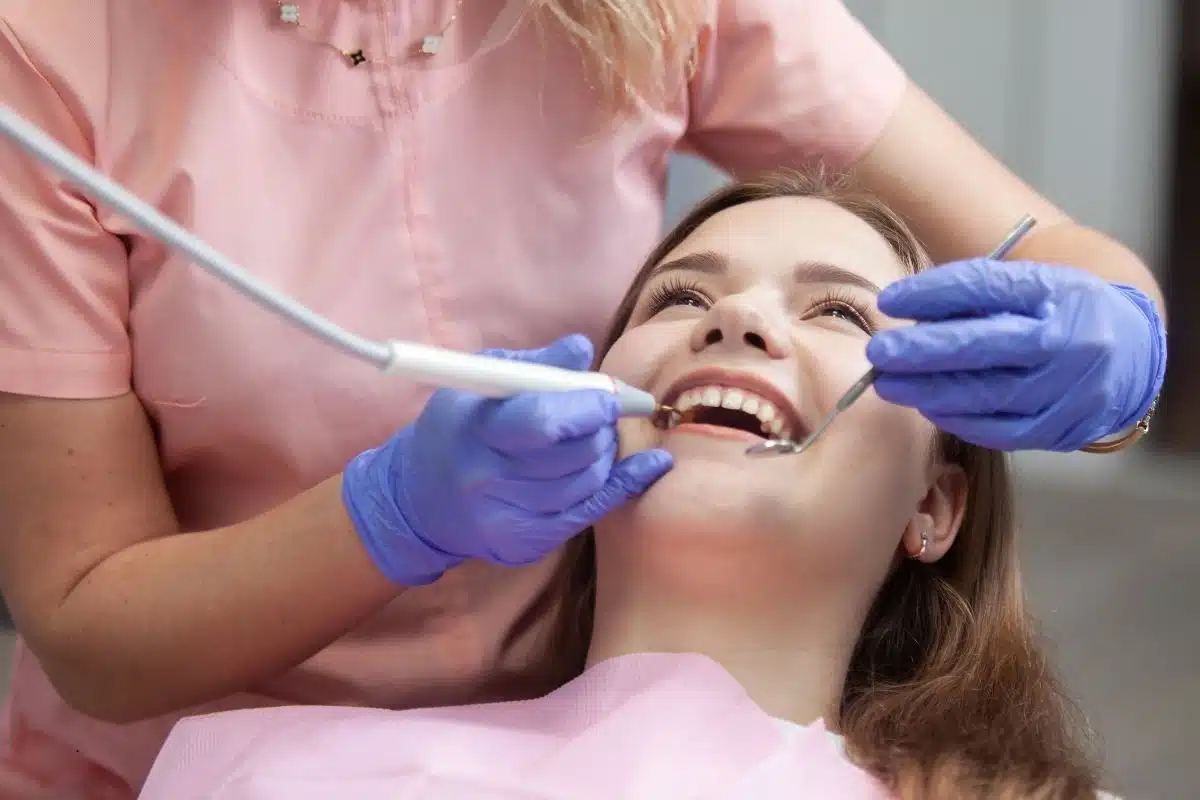
Dental conditions affect people of all ages and can range from minor issues like small cavities to more complex problems such as gum disease, tooth loss, and structural abnormalities. Recognizing these common conditions early is essential to prevent pain, infections, and long-term damage that could compromise overall oral health. Modern dentistry provides a wide array of treatment options, from preventive measures and minimally invasive procedures to advanced restorative and surgical interventions.
Tooth Decay and Cavities
Tooth decay, also known as dental caries, is one of the most prevalent dental problems globally. It occurs when harmful bacteria in dental plaque produce acids that erode tooth enamel and dentin, leading to cavities. Poor oral hygiene, frequent consumption of sugary foods and drinks, and irregular dental visits increase the risk of tooth decay.
Treatment varies depending on the severity of the cavity. Small cavities may be treated with tooth-colored composite fillings or traditional amalgam fillings, restoring the tooth’s structure and preventing further decay. More severe cases may require crowns, root canal therapy, or even extraction if the tooth is extensively damaged. Early intervention minimizes pain, preserves natural teeth, prevents infections, and avoids more complex restorative procedures in the future.
Gum Disease and Periodontal Conditions
Gum disease is a progressive condition that affects the supporting structures of teeth. Gingivitis, the early stage, causes gum redness, swelling, and bleeding. Without treatment, it can advance to periodontitis, which may lead to gum recession, bone loss, and eventual tooth mobility or loss. Risk factors include smoking, diabetes, hormonal changes, poor oral hygiene, and genetic predisposition.
Treatment focuses on removing plaque and tartar buildup through professional cleaning, scaling, and root planing. Severe cases may require surgical interventions such as flap surgery or bone grafting to restore damaged tissues. Maintaining regular dental visits and consistent at-home oral hygiene routines is essential to control gum disease, preserve teeth, and prevent systemic health issues linked to chronic inflammation in the mouth.
Tooth Sensitivity
Tooth sensitivity is a common condition that causes discomfort or pain when consuming hot, cold, sweet, or acidic foods and beverages. This often results from enamel erosion, exposed dentin, gum recession, cavities, or cracked teeth. Sensitivity can affect quality of life, making eating and drinking uncomfortable and discouraging proper oral care.
Treatment options include using desensitizing toothpaste, applying fluoride varnishes to strengthen enamel, or bonding exposed areas to protect sensitive regions. In cases where structural damage or decay is the underlying cause, restorative treatments such as fillings, crowns, or root canal therapy may be required. Identifying the root cause and addressing it promptly ensures relief, prevents further damage, and maintains long-term dental comfort and function.
Cracked, Chipped, or Broken Teeth
Trauma, biting hard objects, or weakened tooth structure can result in cracked, chipped, or broken teeth. These injuries not only impact aesthetics but can expose sensitive dental pulp, cause pain, and increase the risk of infection if untreated.
Treatment depends on the severity of the damage. Minor chips may be repaired with dental bonding, while larger fractures may require veneers or crowns to restore structural integrity. In severe cases involving nerve damage or deep cracks, root canal therapy followed by a crown may be necessary. Prompt attention preserves natural teeth, prevents further complications, restores function, and maintains the appearance of the smile.
Tooth Loss and Replacement Options
Tooth loss can occur due to decay, trauma, gum disease, or congenital absence, affecting chewing, speech, jaw alignment, and self-confidence. Missing teeth can also accelerate bone loss in the jaw and contribute to shifting of adjacent teeth.
Restorative options include dental implants, bridges, and dentures. Dental implants offer a permanent and stable solution, preserving jawbone density and restoring natural function. Bridges fill the gap by anchoring artificial teeth to adjacent teeth, while removable dentures provide cost-effective options for patients missing multiple teeth. Timely replacement of missing teeth is essential to maintain oral function, aesthetics, and long-term oral health.
Oral Infections and Abscesses
Dental infections, such as abscesses, occur when bacteria invade the tooth pulp or surrounding gum tissue, causing swelling, severe pain, and potential systemic complications. Left untreated, infections can spread to the jaw, sinuses, or bloodstream, posing serious health risks.
Urgent treatment often involves draining the abscess, prescribing antibiotics, and performing procedures such as root canal therapy or extraction depending on the severity. Prompt intervention alleviates pain, eliminates infection, prevents damage to surrounding teeth, and protects overall oral health. Patients experiencing persistent pain, swelling, or fever should seek immediate dental care to avoid serious complications.
Malocclusion and Bite Issues
Malocclusion refers to misalignment of teeth or improper bite patterns, including overbite, underbite, crossbite, and crowding. Malocclusion can lead to uneven wear of teeth, jaw pain, difficulties in chewing, speech problems, and increased susceptibility to decay or gum disease.
Orthodontic treatments, such as traditional braces, clear aligners, or other corrective appliances, are used to align teeth and improve bite function. Early assessment in childhood or adolescence allows timely intervention and reduces the need for complex procedures later in life. Correcting bite issues enhances oral function, aesthetics, and long-term dental health while promoting overall comfort and confidence.
Tooth Discoloration and Aesthetic Concerns
Discolored teeth can result from aging, dietary habits, smoking, medications, trauma, or genetic factors. While primarily cosmetic, discoloration can affect self-esteem, social confidence, and willingness to smile openly.
Treatment options include professional teeth whitening, veneers, bonding, and cosmetic crowns. These interventions not only improve appearance but can also protect teeth from further damage. Addressing discoloration in combination with restorative and preventive care creates a healthy, functional, and visually appealing smile, promoting confidence and overall oral health.
FAQs
What are the most common dental conditions?
Common dental issues include cavities, gum disease, tooth sensitivity, cracked or chipped teeth, tooth loss, oral infections, malocclusion, and discoloration.
Can cavities be prevented?
Yes, cavities can be prevented through consistent brushing and flossing, fluoride use, limiting sugary foods, and routine dental visits for early detection.
When should I see a dentist for gum disease?
Any signs of redness, swelling, bleeding, or gum discomfort should prompt a dental visit for assessment and treatment to prevent progression.
What are my options if I lose a tooth?
Options include dental implants, bridges, and dentures, depending on oral health, jawbone condition, and patient preferences.
How can I treat tooth sensitivity?
Treatment includes using desensitizing toothpaste, fluoride treatments, bonding, or restorative procedures to address underlying causes like decay, enamel erosion, or gum recession.
Conclusion
Dental conditions can significantly impact oral health, function, and overall well-being if not managed promptly. Recognizing common dental problems early allows for timely intervention, preventing complications, preserving natural teeth, and maintaining a healthy smile.
Modern dentistry offers a range of treatment options that combine restorative and cosmetic approaches, ensuring functional, durable, and aesthetically pleasing results. Prioritizing dental care and addressing conditions promptly enhances oral health, confidence, and long-term quality of life.
